
Choosing between root filling or extraction can feel stressful, especially when tooth pain becomes severe. Many patients search for clear guidance to understand which option saves the tooth and which removes the problem completely.
In most cases, dentists recommend root canal treatment when the tooth can still be preserved, while tooth extraction procedure is suggested for badly damaged teeth. Understanding the difference between root filling vs extraction, recovery time, and long-term results helps you make a confident decision.
|See also bare or bear with me
This guide explains when each dental treatment option is appropriate and what patients should expect during modern dental pain relief procedures for lasting oral health.
Root Filling or Extraction: Patient Suitability and Case Evaluation
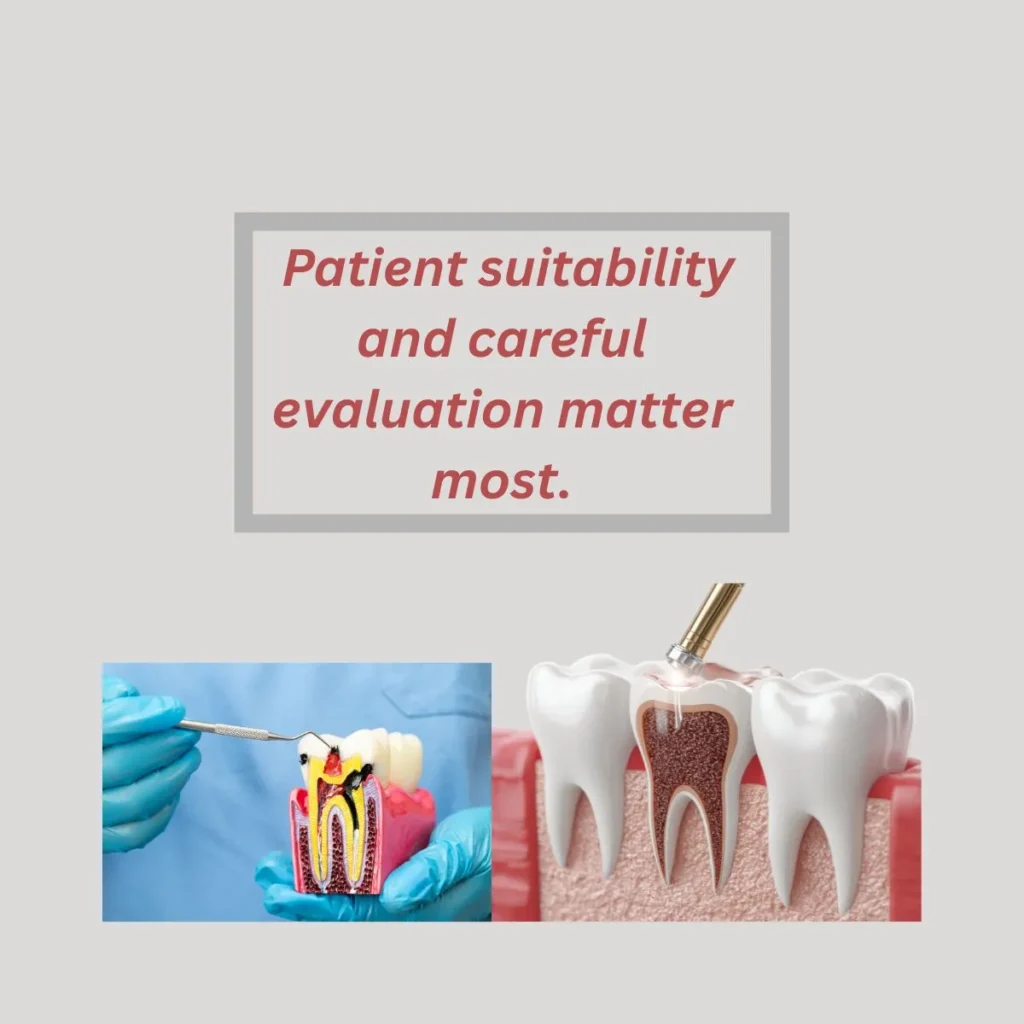
Choosing between a root filling or extraction depends on the patient’s dental condition. Dentists first examine the tooth structure. If the tooth is strong and can be saved, a root filling is usually the best option. This treatment removes infection and keeps the natural tooth in place.
Patient health also matters. People with good oral hygiene and healthy gums are better candidates for root filling. X-rays help dentists check how deep the infection is. If the damage is limited to the tooth pulp, a root filling works well.
Extraction is chosen when the tooth is badly broken, cracked, or infected beyond repair. Severe bone loss or repeated infections can also make extraction necessary. Dentists evaluate pain level, infection spread, and long-term success before deciding. Each case is different, so personal evaluation is essential.
Root Filling or Extraction: Making the Right Decision with Your Dentist
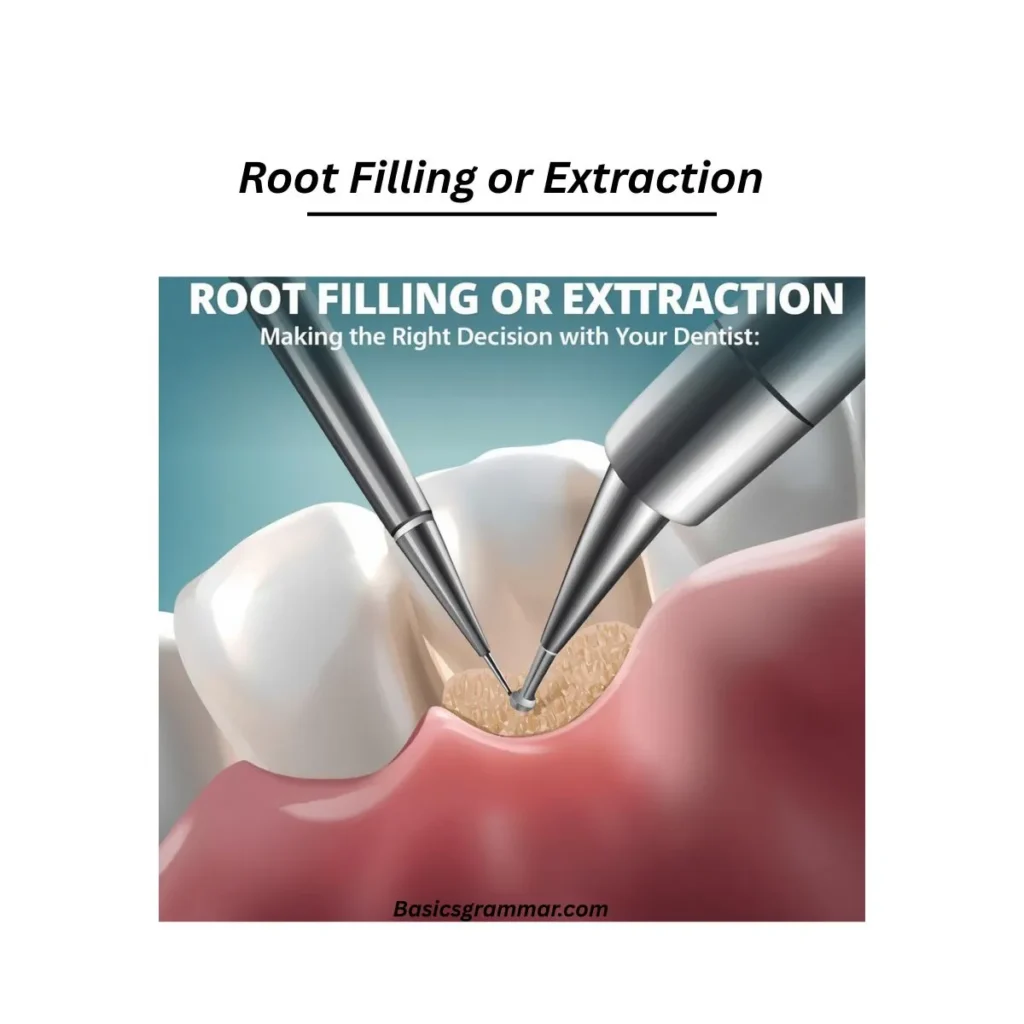
Making the right decision between a root filling or extraction requires open discussion with your dentist. Dentists explain the condition of your tooth and show X-rays to support their advice. This helps patients understand why one option is better than the other.
Patients should ask about cost, treatment time, and recovery. A root filling may take more time but helps preserve the natural tooth. Extraction may be quicker but often needs a replacement later, such as an implant or bridge.
Your dentist also considers long-term oral health. Saving a tooth supports proper chewing and jaw strength. The final decision should match your dental needs, budget, and comfort. Trusting professional advice leads to better results and fewer problems in the future.
Root Filling or Extraction – Quick Answer
Root filling or extraction depends on the condition of your tooth.
A root filling saves the tooth. The dentist removes infection, cleans the root, and fills it.
An extraction removes the tooth completely when it cannot be saved.
Example:
- Deep infection but strong tooth → root filling
- Broken tooth beyond repair → extraction
Dentists prefer saving the tooth when possible.
The Origin of Root Filling or Extraction
The term root filling comes from early dental practice. Dentists cleaned the tooth root and filled it to stop pain. The idea started in the 18th century with basic tools.
The word extraction comes from Latin extrahere, meaning “to pull out.” Tooth removal was common before modern dentistry.
|See more time flies or flys
The phrase root filling or extraction became popular as patients started comparing options. It reflects a choice, not a single treatment. Spelling does not change much because both words are medical terms.
British English vs American English Spelling
There is no major spelling difference in root filling or extraction. But small dental terms can vary.
| British English | American English |
|---|---|
| Root filling | Root filling |
| Extraction | Extraction |
| Dental surgery | Dental surgery |
| Anaesthetic | Anesthetic |
Both versions are correct. Meaning stays the same.
Which Spelling Should You Use?
Choose based on your audience.
- US audience:
- Use American spelling like anesthetic.
- UK or Commonwealth:
- Use British spelling like anaesthetic.
- Global or SEO content:
- Mix carefully or stay neutral.
For root filling or extraction, spelling is safe for all regions.
Common Mistakes with Root Filling or Extraction
Many people make simple errors.
- ❌Thinking extraction is always cheaper
- ❌Believing root filling is permanent
- ❌Using the terms as the same treatment
Correct understanding:
- ✅Root filling saves teeth
- ✅Extraction removes teeth
- ✅Cost and pain vary by case
Root Filling or Extraction in Everyday Examples
Email:
“I need advice on root filling or extraction for my molar.”
News:
“Dentists recommend root filling over extraction when possible.”
Social Media:
“Scared of root filling or extraction today 😬”
Formal Writing:
“The decision between root filling or extraction depends on tooth structure.”
Root Filling or Extraction – Google Trends & Usage Data
The search term root filling or extraction is popular in:
- UK
- Australia
- Pakistan
- Middle East
People search more when they feel pain or before a dental visit. Usage rises during health awareness campaigns. It is mostly used in medical and dental contexts.
Keyword Variations Comparison Table
| Variation | Usage |
|---|---|
| Root filling or extraction | Comparison search |
| Root canal vs extraction | Informal |
| Tooth filling or removal | General |
| Dental root treatment | Professional |
FAQs
Q: Is it better to get a filling or extraction?
A: A filling is better if the tooth can be saved, while extraction is only needed for severe damage.
Q: Is it better to do root canal or extraction?
A: Root canal is preferred to preserve the natural tooth; extraction is a last resort.
Q: How do I know if I need a filling or an extraction?
A: Your dentist will check decay, infection, and tooth structure to decide the best option.
Q: Why is tooth extraction not recommended?
A: Extracting a tooth can lead to shifting teeth, bone loss, and longer recovery compared to saving it.
Conclusion
In conclusion, choosing between root filling and extraction depends on your tooth condition, pain level, and long-term dental goals. A dentist usually prefers saving the natural tooth when possible through a tooth preservation strategy, supported by proper dental infection control and careful endodontic treatment planning. However, removal may be necessary when damage is severe.
Always follow professional advice and maintain strong oral health management habits after treatment. With timely care, good hygiene, and regular checkups, patients can achieve lasting comfort and improved dental care decision making for a healthier, pain-free smile.