
A common question among pool owners is whether a Solar Cover Bubbles Up or Down, because correct placement improves heating and cleanliness. Many people search for clear guidance when installing a solar pool cover to improve energy savings and comfort. Proper positioning helps boost pool heat retention, keeps debris out, and extends the life of a swimming pool cover.
When installed correctly, a solar blanket cover also increases pool heating efficiency, helping water stay warm overnight. This guide explains the correct setup in simple terms so pool owners can save energy, reduce maintenance, and enjoy a warmer swimming experience throughout the entire swimming season.
Bubbles Up or Down on Pool Cover
Many pool owners ask whether bubbles go up or down on a pool cover. The correct way is simple: bubbles always go down, touching the water. The smooth, flat side should face up toward the sun.
The bubble side works as an insulation layer. When it rests on the water, it traps heat and reduces evaporation. This helps keep the pool warmer, especially overnight or during cooler weather. The sun heats the water, and the bubbles prevent that heat from escaping.
If the bubbles face up, the cover will not work properly. Heat escapes faster, and the cover may wear out sooner due to sun exposure. For best results, always check the surface by touch—the bumpy side goes down. Using your pool cover the right way saves energy, lowers heating costs, and extends the life of the cover.
How Fast Does a Solar Cover Heat a Pool
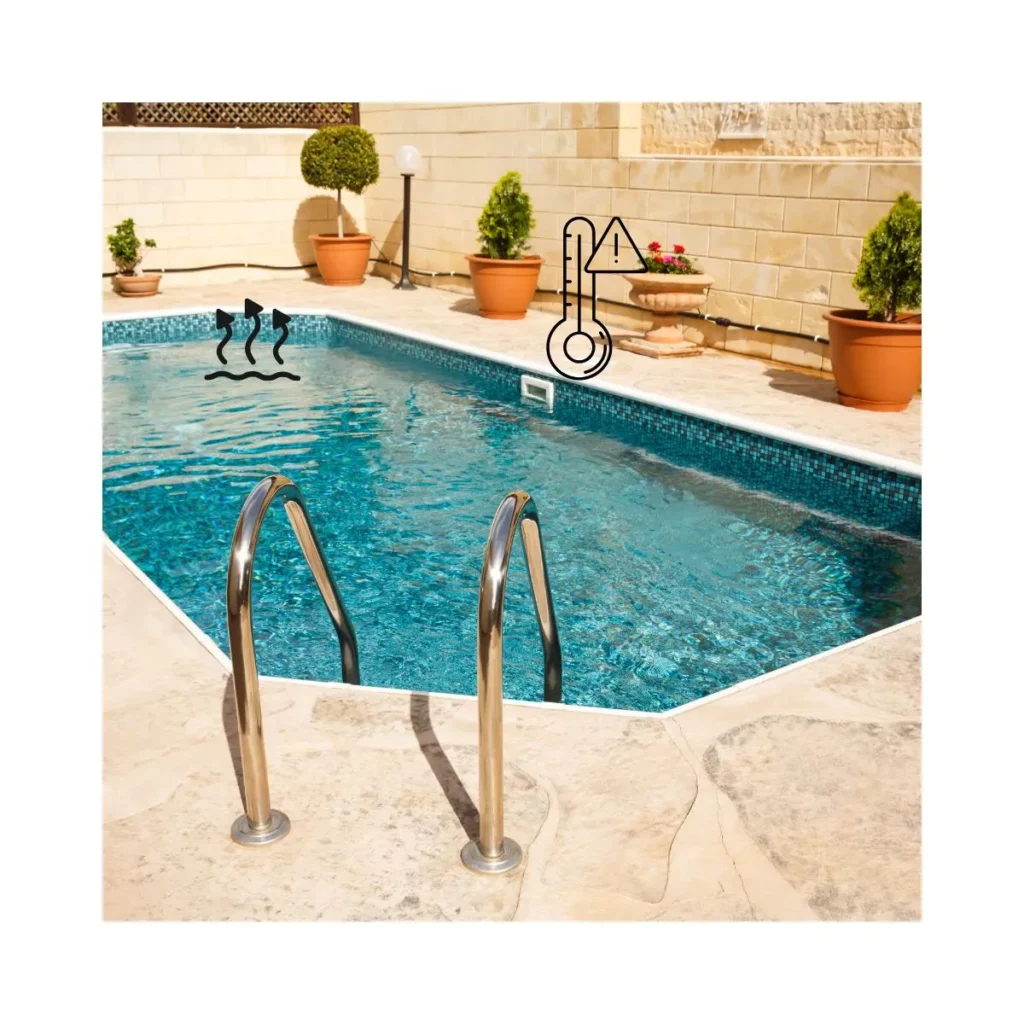
A solar cover can start warming a pool within 1 to 3 days, depending on sunlight, air temperature, and pool size. On sunny days, many pools gain 2–5°F (1–3°C) per day when the cover is used correctly.
The solar cover works by trapping heat and reducing evaporation, not by directly heating the water like a heater. With the bubble side down, the cover holds in warmth during the day and prevents heat loss at night. Smaller pools heat faster, while larger or deeper pools may take longer.
Weather plays a big role. Strong sunlight, low wind, and warm air speed up heating. Cool nights or cloudy days slow it down. Used daily, a solar cover can noticeably warm your pool in just a few days and help maintain that temperature with less energy.
Solar Cover Bubbles Up or Down – Quick Answer
Solar cover bubbles go DOWN, touching the water.
The flat, smooth side stays up, facing the sun.
The bubble side stays down, against the pool water.
Example:
If you can feel air pockets, that side goes into the water.
The Origin of “Solar Cover Bubbles Up or Down”
The phrase “solar cover bubbles up or down” comes from pool owner questions, not from grammar or language history.
- Solar covers were first used to trap heat and reduce evaporation
- The bubble design works like insulation
- The bubbles hold heat when they touch the water
There are no spelling variations because this is a technical pool-related phrase, not a word with language roots.
British English vs American English Spelling
There is no spelling difference between British and American English for this phrase.
Both regions use:
- Solar cover
- Bubbles up or down
Comparison Table
| Term | British English | American English | Difference |
|---|---|---|---|
| Solar cover | Solar cover | Solar cover | None |
| Bubbles up or down | Same | Same | None |
Which Spelling Should You Use?
Since there is no spelling variation, focus on clear wording.
- US audience: “Solar cover bubbles down”
- UK/Commonwealth: “Bubble side down”
- Global audience: Use simple instructions with visuals
Clear language matters more than spelling here.
Common Mistakes with Solar Cover Bubbles Up or Down
Mistake 1
❌ Putting bubbles facing up
✅ Bubbles must face the water
Mistake 2
Rong Thinking bubbles collect sunlight
Right Water absorbs heat, bubbles trap it
Mistake 3
❌ Flipping the cover daily
✅ Leave it bubble-side down consistently
Solar Cover Bubbles Up or Down in Everyday Examples
Emails
“The solar cover should be placed with bubbles down.”
News
“Experts confirm solar cover bubbles must touch the water.”
Social Media
“Pool tip: bubbles down, smooth side up!”
Formal Writing
“Proper installation requires the bubble surface to face the pool water.”
Solar Cover Bubbles Up or Down – Google Trends & Usage Data
Search data shows:
- High interest in warm climates like the US, Australia, and Southern Europe
- Most searches happen in summer months
- Common users are new pool owners
The phrase is searched mainly for practical guidance, not theory.
Solar Cover Bubble Direction Comparison Table
| Option | Correct? | Result |
|---|---|---|
| Bubbles down | ✅ Yes | Better heat retention |
| Bubbles up | ❌ No | Heat loss |
| Flat side down | ❌ No | Less insulation |
| Bubble side touching water | ✅ Yes | Reduced evaporation |
FAQs: Solar Cover Bubbles Up or Down
Which side goes up on a solar pool cover?
The flat side faces up, and the bubble side goes down touching the water.
Should the shiny side of the pool cover be up or down?
The shiny or smooth side stays up; bubbles always face down into the pool.
Should pool jets be facing up or down?
Pool jets should face slightly downward to help circulate warm water evenly.
Does a pool heat up faster with the solar cover on?
Yes, a solar cover traps heat and helps the pool warm faster and retain heat longer.
At what temperature do pool pipes freeze?
Pool pipes can freeze when temperatures drop to around 32°F (0°C) or lower for several hours.
Is it okay to run a pool heater with a solar cover on?
Yes, using a solar cover with a heater improves heating efficiency and saves energy.
What are the disadvantages of a solar pool cover?
Covers can be heavy to handle, may wear out in sunlight, and require storage space when removed.
Should you leave a solar cover on your pool all the time?
Keep it on when the pool is not in use, but remove it during swimming for safety and comfort.
Conclusion
In conclusion, knowing whether a Solar Cover Bubbles Up or Down helps pool owners improve heating and maintenance results. Correct placement supports proper pool cover installation and helps maximize solar heat absorption every day. This simple step also helps reduce pool heating costs and supports energy-efficient pool maintenance throughout the season. When the cover is used correctly, families enjoy warmer water and cleaner pools with less effort. Following this guidance also boosts swimming pool energy savings, making pool ownership easier and more affordable. With correct installation and regular care, your pool stays comfortable, efficient, and ready for fun in every swimming season.
