
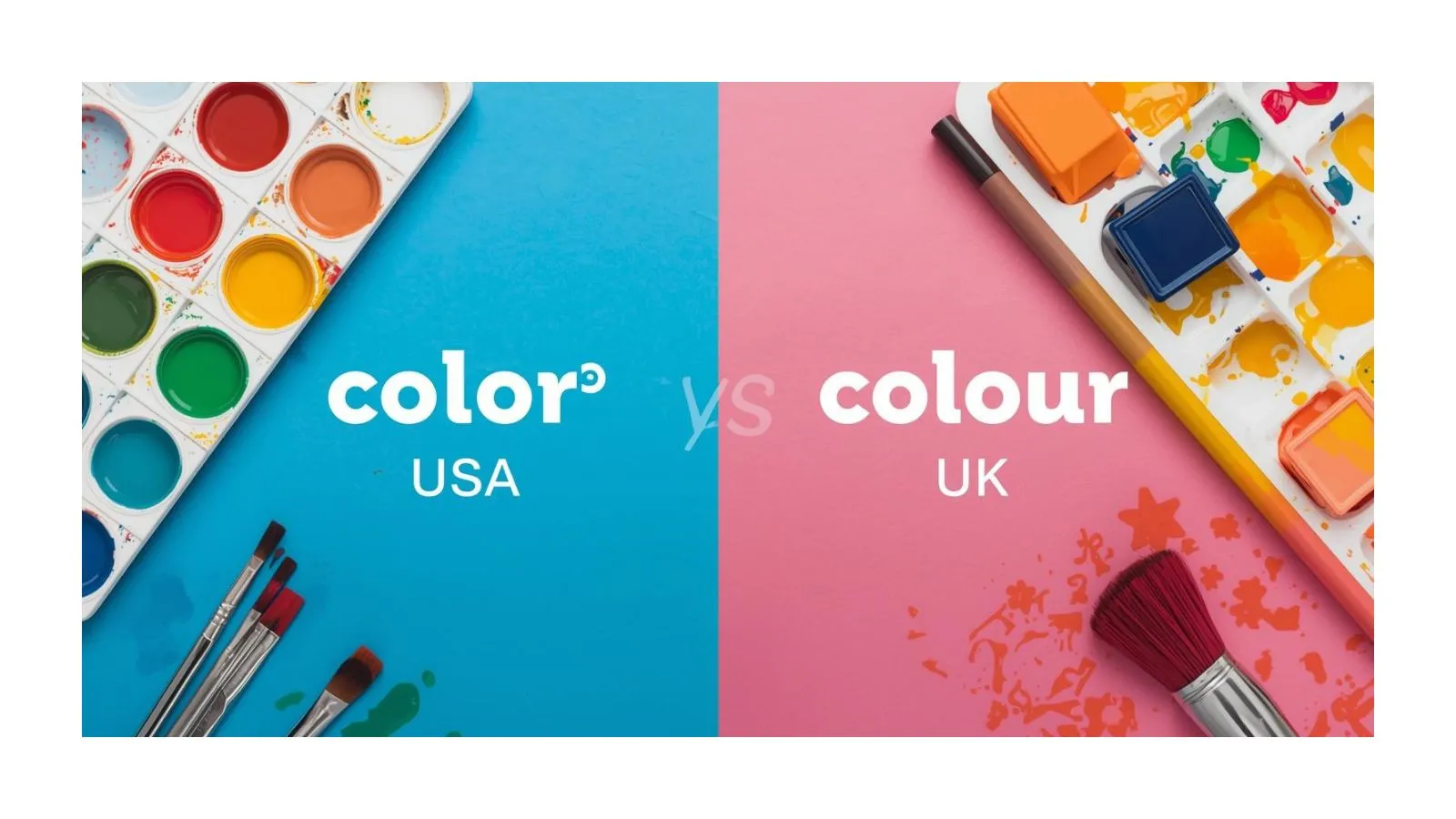
Choosing between “color” and “colour” can confuse writers, editors, and content creators. This question often arises because English spelling differs between the United States and other English-speaking countries. People search for clarity when writing emails, reports, social media posts, or academic papers, unsure which form is appropriate for their audience.
Using the wrong spelling may seem minor, but it can affect professionalism, readability, and even SEO. By understanding the rules, history, and regional preferences, you can confidently use the correct spelling in any context. This guide will explain the differences, common mistakes, and practical tips for consistent, polished writing, ensuring your content appeals to both American and international readers.
Color or Colour – Quick Answer
- Color → American English
- Colour → British English
Examples:
- US: My favorite color is blue.
- UK: Her favourite colour is green.
The Origin of Color or Colour
The word derives from Latin color, passed through Old French colour. American English simplified spellings during the 19th century, dropping the “u” in words like color, honor, and favor. British English retained the traditional -our endings, which are still standard in the UK, Australia, and Canada.
British English vs American English Spelling
| Spelling | Region | Example Sentence |
|---|---|---|
| Color | US | The artist used vibrant color shades. |
| Colour | UK, Australia | The painter chose bright colour tones. |
Rule: US English prefers simplified spellings; UK English retains the traditional -our endings.
Which Spelling Should You Use?
- Color → Use for American audiences, US websites, and publications.
- Colour → Use for UK, Canadian, Australian, and Commonwealth audiences.
- For global content, choose one spelling and maintain consistency.
Common Mistakes with Color or Colour
- Misspelling: colur, coler (incorrect)
- Mixing styles: Using color in UK-targeted content
- Ignoring style guides: Professional writing often specifies one version
Tip: Always check your audience’s regional preference and stick to one spelling.
Color or Colour in Everyday Examples
- Emails: “Please select the color for the project theme.”
- News articles: “The festival showcased a variety of vibrant colours.”
- Social media: “I love this dress; the colour is stunning!”
- Formal writing: “The report analyzed color variations in the study sample.”
Color or Colour – Google Trends & Usage Data
- US searches: “color palette,” “color coding,” “color printing” dominate.
- UK searches: “colour scheme,” “colour printing,” “colour palette” are more common.
Insight: Using the correct regional spelling improves SEO and audience engagement.
FAQs About Color or Colour
- Is color or colour correct?
Both are correct; usage depends on US vs UK English. - Why does British English use colour?
British English retained traditional spellings with -our endings. - Can I mix both spellings in one document?
No, consistency is essential for readability and professionalism. - Which spelling is better for SEO?
Use the spelling your target audience is more likely to search for. - Is color accepted in the UK?
Yes, but colour is the standard in most UK publications. - Do other words follow this pattern?
Yes, words like honor/honour, favor/favour, and labor/labour follow the same rules.
Conclusion
Understanding color or colour is essential for effective, professional writing. American English prefers color, while British English and Commonwealth countries use colour. Both spellings are correct, but mixing them can reduce readability, SEO impact, and credibility. Writers, content creators, and students should choose the form that matches their audience, maintain consistency, and follow style guides.
Using the correct regional spelling ensures polished communication, better user engagement, and enhanced search engine visibility. Whether writing blogs, emails, reports, or social media posts, mastering color vs colour helps convey professionalism and attention to detail, appealing to both international and American readers.