
Many individuals pause while purchasing a door, installing hardware, or creating specifications to ask the straightforward but perplexing question, “Left or right swing door—which one do I need?” Because door swing orientation influences function, safety, space planning, and cost, homeowners, builders, architects, and even writers look for this term.
Typically, the way doors are described causes confusion. A few individuals examine the hinges. Others examine the handle. While some stand outside the room, others stand inside. Because of this, customers frequently order the incorrect door, which results in delays and additional costs.
That confusion is swiftly and simply resolved in this article. You will discover the true meaning of a left or right swing door, the origins of the terminology, how they are employed in various nations, and how to steer clear of typical blunders. Additionally, you will see usage statistics, real-world examples, and professional guidance to assist you in selecting the right choice each and every time.
Left or Right Swing Door Requirements in Fire and Safety Codes
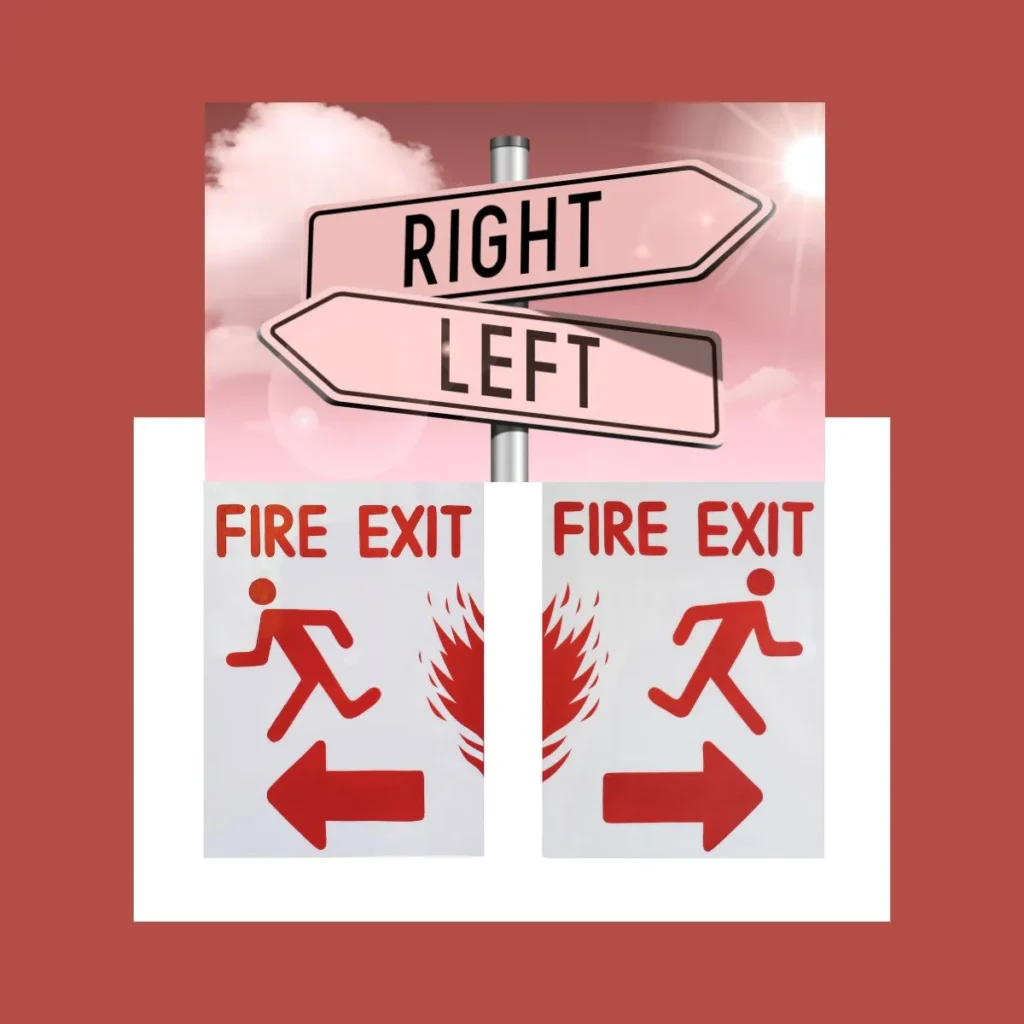
Fire and safety codes place strong importance on door swing direction because it directly affects how quickly people can exit a space during an emergency. In most countries, building codes require exit and emergency doors to swing in the direction of travel, meaning outward, not inward.
A left or right swing door must allow smooth, unobstructed movement when people are evacuating. If a door swings against the flow of people, it can cause crowding, delays, and injuries. This is why many fire codes specify both the swing direction and the hinge side during approval.
For public buildings such as schools, hospitals, offices, and shopping areas, incorrect door swing can lead to failed inspections or legal penalties. Fire-rated doors must also maintain their swing direction to ensure proper sealing against smoke and fire spread.
Always confirm local fire regulations before choosing a left or right swing door, especially for emergency exits.
Choosing the Right Swing Door for Small Rooms and Tight Spaces
In small rooms and tight spaces, selecting the correct left or right swing door is essential for comfort and usability. A poorly chosen swing direction can block furniture, reduce walking space, or make the room feel crowded.
The ideal door swing should open against a wall, not into the center of the room. For example, in bathrooms, closets, and storage areas, the door should swing toward the least-used corner to maximize open space.
In narrow hallways, the swing direction must prevent doors from hitting nearby walls or other doors. In such cases, choosing the correct hinge side improves traffic flow and safety.
For very limited spaces, designers may also consider sliding doors or outward-opening swing doors. However, when a swing door is required, careful planning of left or right swing ensures better movement, accessibility, and long-term convenience.
Left or Right Swing Door – Quick Answer
A left or right swing door is defined by the hinge side when you stand facing the door and it opens toward you.
- Left swing door: Hinges are on the left, handle on the right
- Right swing door: Hinges are on the right, handle on the left
Simple example:
If you pull the door toward you and the hinges are on your left hand, it is a left swing door.
This rule is used by most manufacturers and builders.
The Origin of Left or Right Swing Door
The terms left swing and right swing come from early construction and carpentry standards. Builders needed a simple way to describe door orientation without drawings.
The system developed around hinge placement, not handle location. Hinges were fixed elements, while handles could vary. Over time, this method became the standard in architecture, manufacturing, and safety codes.
Unlike spelling-based keywords, this term does not change spelling. However, interpretation differences developed between regions, especially in how people describe their viewing position. This is why confusion still exists today.
British English vs American English Usage
There is no spelling difference between British and American English for left or right swing door. The difference is mainly in terminology preference.
| Aspect | American English | British English |
|---|---|---|
| Common term | Left / Right swing | Left-hand / Right-hand |
| Industry usage | Hinges define swing | Hinges define swing |
| Everyday speech | “Left swing door” | “Left-hand hung door” |
Both systems describe the same thing. The wording changes, not the meaning.
Which Usage Should You Use?
Choose based on your audience:
- United States → Use left swing / right swing
- UK & Commonwealth → Use left-hand / right-hand door
- Global or SEO content → Use left or right swing door with a short explanation
For technical documents, always add a diagram or hinge description to avoid mistakes.
Common Mistakes with Left or Right Swing Door
Here are the most frequent errors:
- Looking at the handle instead of hinges
✔ Always check the hinge side - Standing on the wrong side of the door
✔ Face the door when it opens toward you - Assuming interior and exterior rules differ
✔ The rule is the same for all doors - Mixing regional terms
✔ Match wording to your audience
Left or Right Swing Door in Everyday Examples
Email:
“Please confirm whether the office door is left or right swing before ordering.”
News:
“Building codes now require clear labeling of left or right swing doors.”
Social Media:
“Bought the wrong door again 😅 Always check left or right swing first!”
Formal Writing:
“All emergency exits must use outward-opening left or right swing doors.”
Left or Right Swing Door – Google Trends & Usage Data
Search interest is highest in:
- United States – Home improvement and renovation
- Canada – Construction and DIY
- UK – Often paired with “left-hand door”
The keyword is most used in:
- Door buying guides
- Building manuals
- E-commerce product descriptions
Interest spikes during renovation seasons and housing booms.
Comparison Table: Keyword Variations
| Term | Region | Meaning |
|---|---|---|
| Left swing door | US | Hinges on left |
| Right swing door | US | Hinges on right |
| Left-hand door | UK | Hinges on left |
| Right-hand door | UK | Hinges on right |
FAQs
1. How do I tell if a door is left or right swing?
Stand facing the door. If hinges are on the left, it is left swing.
2. Does door swing affect safety?
Yes. Wrong swing can block exits or furniture.
3. Is door swing the same as door handing?
Yes. Handing is another term for swing direction.
4. Can I change a door swing?
Sometimes, but it may require new hinges and framing.
5. Are exterior doors different?
No. The hinge rule is the same.
6. Why do builders care about swing direction?
It affects space, code compliance, and usability.
7. Is “left or right swing door” good for SEO?
Yes. It matches common buyer search intent.
Conclusion
Knowing the hinge rule makes it easy to understand a left or right swing door. Pull the door in your direction, face it, and make sure the hinges are on the correct side. This one step saves time and avoids expensive errors.
Despite regional variations in wording, the term has a long history in building and is used globally. British English frequently employs left-hand or right-hand swing, but American English chooses left or right swing. They both explain the same idea.
Clarity is important when drafting specifications, purchasing a door, or producing content. Never assume that others understand which side you are referring to; instead, use language appropriate for the audience and provide clarifications where necessary.