The words bailer and baler often confuse English speakers and writers, especially in contexts related to agriculture, recycling, or boating. Many people are unsure whether they are interchangeable or if one is incorrect. This confusion arises because the two words sound alike but have distinct meanings. People search for bailer or baler when reading manuals, shopping for equipment, or writing about industrial tools.
Understanding the correct usage ensures clarity in communication and prevents embarrassing mistakes in professional writing or documentation. This article explores the correct spelling, origins, British vs. American usage, and practical examples, helping you confidently choose between bailer and baler.
|Related: Break metal or brake metal
Bailer or Baler – Quick Answer
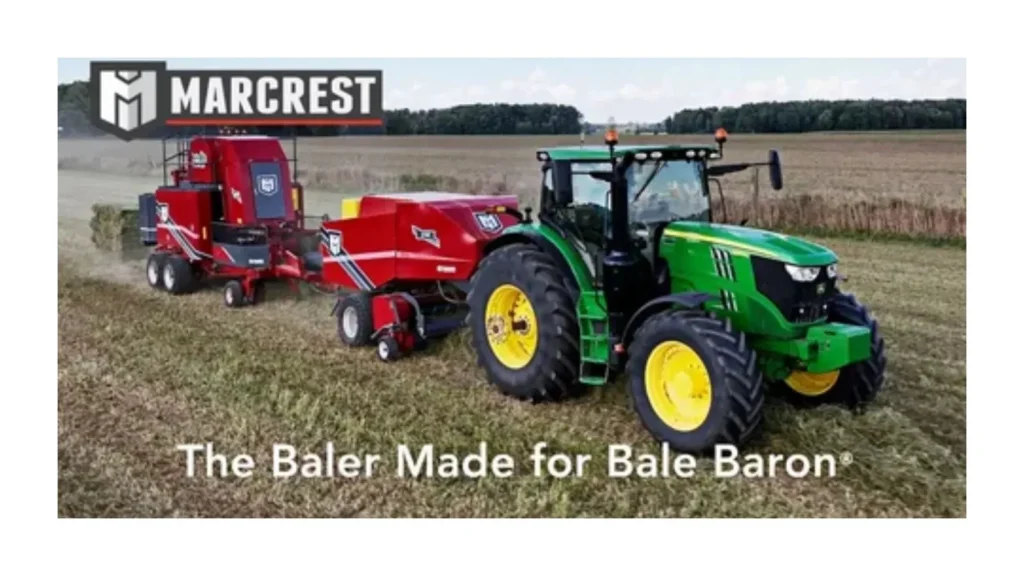
- Baler is the correct term for a machine that compacts hay, straw, paper, or recyclables into bales.
- The farmer used a baler to compress hay for storage.
- Bailer refers to a device or person used to remove water from a boat.
- He grabbed a bailer to scoop water out of the canoe.
Using the wrong term can change the meaning completely, so context is key.
The Origin of Bailer or Baler
- Baler derives from the word bale, which originates from Middle English bal, meaning a bundle. The suffix “-er” indicates an agent or device performing the action.
- Bailer comes from the Old French bailler, meaning “to throw out” or “remove,” specifically water. Over time, it became associated with manual or mechanical water removal from vessels.
The similarity in pronunciation has led to frequent confusion in both spoken and written English.
British English vs American English Spelling
Both terms are spelled the same in British and American English. However, usage differs based on regional familiarity:
| Word | British English Usage | American English Usage | Notes |
|---|---|---|---|
| Baler | Common in farming & recycling | Common in farming & recycling | Standard spelling for machinery that compresses bales |
| Bailer | Less common, mainly nautical | Less common, mainly nautical | Used for water removal from boats |
Which Spelling Should You Use?
- Use baler when referring to agricultural or recycling equipment.
- Use bailer when referring to removing water from boats or small vessels.
Always consider the context and your audience to avoid confusion. For professional writing, manuals, or product descriptions, the distinction is essential.
Common Mistakes with Bailer or Baler
- Writing bailer when referring to hay or paper compaction: The farmer used a bailer. ❌
- Writing baler when referring to removing water from a boat: He grabbed the baler to scoop water. ❌
Correcting these mistakes improves clarity and demonstrates subject knowledge.
Bailer or Baler in Everyday Examples
Emails/Documentation:
- Correct: Our recycling facility purchased a new baler for cardboard waste.
- Correct: Don’t forget to use the bailer before setting sail.
Social Media:
- Check out our new baler in action!
- Using a bailer keeps the canoe dry.
News Articles:
- Agricultural reports often highlight balers for efficient hay storage.
- Boating safety tips mention using bailers to prevent sinking.
Bailer or Baler – Google Trends & Usage Data
Google Trends shows baler is searched more frequently than bailer, reflecting the broader industrial and agricultural relevance.
- Searches for baler peak during hay season, recycling initiatives, or machinery sales.
- Bailer searches spike in boating seasons or nautical contexts.
Conclusion
Choosing between bailer and baler depends entirely on context. Baler refers to machinery that compresses materials like hay or recyclables, while bailer refers to removing water from boats. Using the correct term ensures clarity, professionalism, and credibility in writing, manuals, or online content. Always consider your audience and the subject matter, and remember: machinery → baler, nautical → bailer.
Correct spelling not only improves communication but also prevents confusion in technical, educational, and professional contexts. By mastering this distinction, writers can maintain accuracy across diverse topics.

Hi, I’m John Miles, the voice behind Grammar Meaning! I share clear and practical grammar tips. You’ll find my work on basicsgrammar.com.