When it comes to technical terms, spelling matters—especially for “break metal or brake metal.” Many people confuse these two terms, leading to misunderstandings in construction, automotive, or manufacturing contexts. Knowing which spelling is correct can save time, avoid errors, and improve your professional credibility.
The confusion usually arises because “break” and “brake” sound the same but have different meanings. “Break” refers to damage or snapping, whereas “brake” refers to stopping or slowing. In metalworking or automotive contexts, using the wrong term could mislead workers or readers. This article will clarify the correct usage, explain historical origins, and provide practical examples for everyday applications.
|Learn about us: Bailer or baler
Break Metal or Brake Metal – Quick Answer
The correct term is “brake metal.”
- Brake metal refers to metal that has been shaped, bent, or formed using a brake machine.
- Break metal is a common misspelling and is technically incorrect in this context.
Example:
- Correct: “The sheet metal was bent perfectly using the brake metal process.”
- Incorrect: “The sheet metal was bent using break metal.”
The Origin of Break Metal or Brake Metal
The confusion comes from the homophones “break” and “brake.”
- Brake: From Old English bracan, meaning “to press or crush.” It evolved to describe machines that bend or form metal sheets.
- Break: From Old English brecan, meaning “to shatter or destroy.”
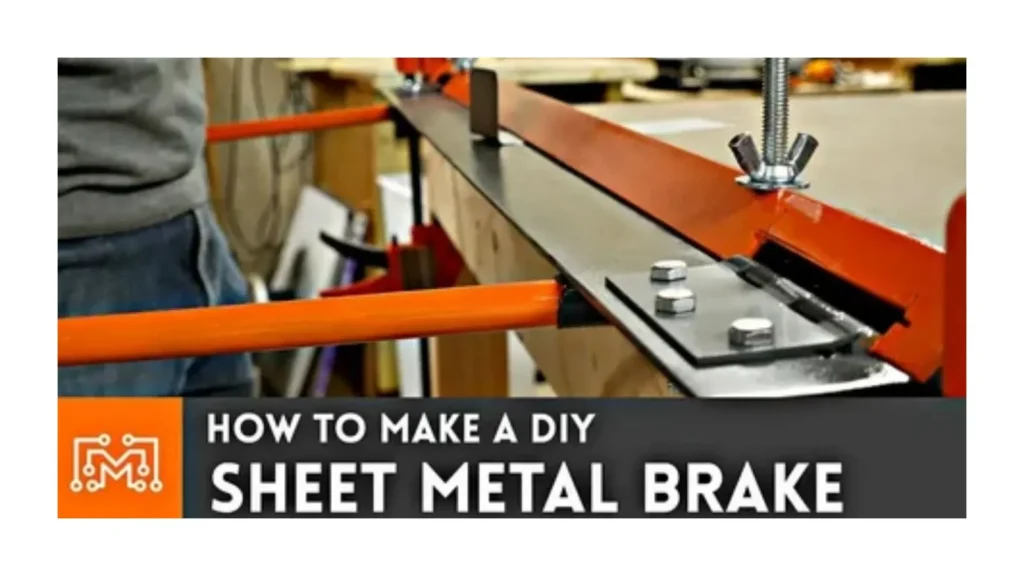
The term brake metal specifically originates from industrial sheet metalworking, where “brakes” are machines designed to bend metal without breaking it.
British English vs American English Spelling
Interestingly, “brake metal” is consistent in both British and American English. Unlike some verbs that differ (-ise vs -ize), there’s no alternate spelling here.
| Term | British English | American English | Meaning |
|---|---|---|---|
| Brake metal | brake metal | brake metal | Metal bent with a brake machine |
| Break metal | break metal | break metal | Incorrect usage in metalworking |
Which Spelling Should You Use?
- US & UK/Commonwealth: Always use “brake metal” for professional and technical accuracy.
- Global audience: Using “brake metal” ensures clarity across industries.
Avoid using break metal in manuals, guides, or work orders.
Common Mistakes with Break Metal or Brake Metal
- Writing break metal instead of brake metal.
- Misunderstanding the term as “damaged metal” rather than “bent/formatted metal.”
- Confusing automotive brakes with metalwork terminology.
Correction Tip: Remember that “brake” in this context relates to a bending machine, not destruction.
Break Metal or Brake Metal in Everyday Examples
- Emails: “Please ensure the brake metal is measured correctly before cutting.”
- News/Industrial articles: “Brake metal processes improve the efficiency of sheet metal fabrication.”
- Social media/DIY forums: “Using a brake metal technique, I bent the sheet perfectly.”
Break Metal or Brake Metal – Google Trends & Usage Data
According to Google Trends:
- Searches for “brake metal” dominate in the US, UK, Canada, and Australia.
- Queries for “break metal” spike in DIY forums but are often corrected in professional posts.
Insight: Professionals and hobbyists increasingly rely on the correct term to avoid miscommunication in metal fabrication projects.
FAQs
1. Can I say “break metal” instead of “brake metal”?
No. “Brake metal” is correct in sheet metalworking contexts.
2. What is brake metal used for?
Brake metal is used to bend and shape sheet metal accurately.
3. Is this spelling issue common worldwide?
Yes, homophones cause confusion, but correct usage is recognized globally.
4. How do I remember the difference?
Think: Brake = machine bending metal, Break = breaking/damaging.
5. Are there any other similar metalworking terms?
Yes, terms like “folding metal” and “press brake” are related and often used alongside brake metal.
Conclusion
Using brake metal instead of break metal is essential for clarity, professionalism, and accuracy. Whether you’re writing technical manuals, communicating in industrial settings, or posting DIY guides, the correct spelling avoids confusion. Remember, “brake” refers to a bending machine, not destruction.
Maintaining proper usage ensures your audience understands precisely what you mean.

Hi, I’m Lily Brown, the voice behind Grammar Meaning! I make grammar simple and easy for everyone. I create helpful content on basicsgrammar.com.