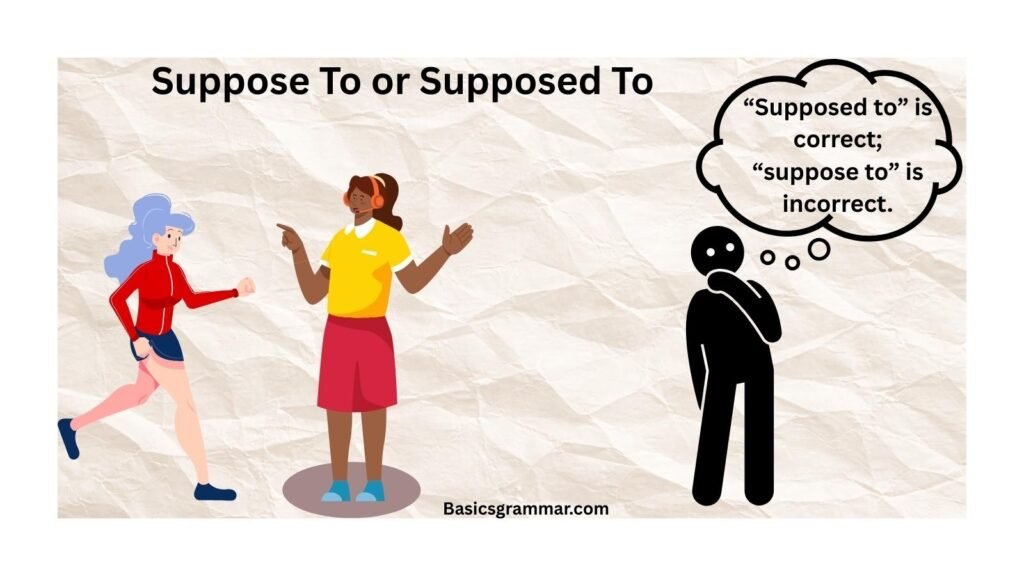
Suppose To or Supposed To
Many English learners and even native speakers often get confused between “suppose to” or “supposed to.” At first glance, both
Suppose To or Supposed To Read More »


Many English learners and even native speakers often get confused between “suppose to” or “supposed to.” At first glance, both
Suppose To or Supposed To Read More »

When it comes to English spelling, “benefiting or benefitting” is a common source of confusion. Both forms exist, but knowing
Benefiting or Benefitting: Which Spelling is Correct? Read More »
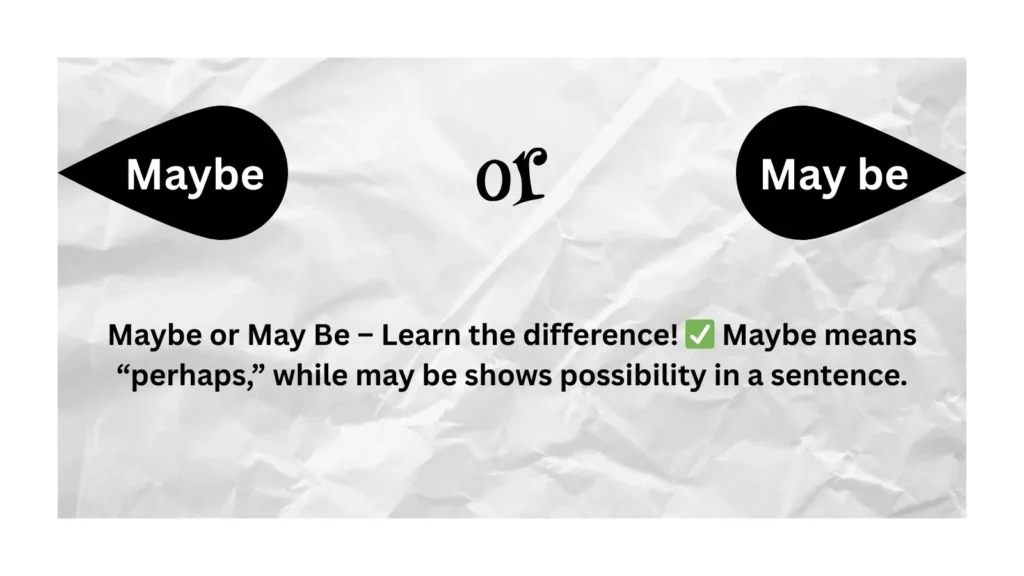
Many English learners and writers feel confused about “maybe” and “may be.” These two forms look almost the same, but
Maybe or May Be: What’s the Difference and When to Use Each? Read More »

When writing about tidying, planning, or arranging things, many people are confused about whether to use “organize” or “organise.” This
Organize vs Organise: Which One Is Correct? Read More »
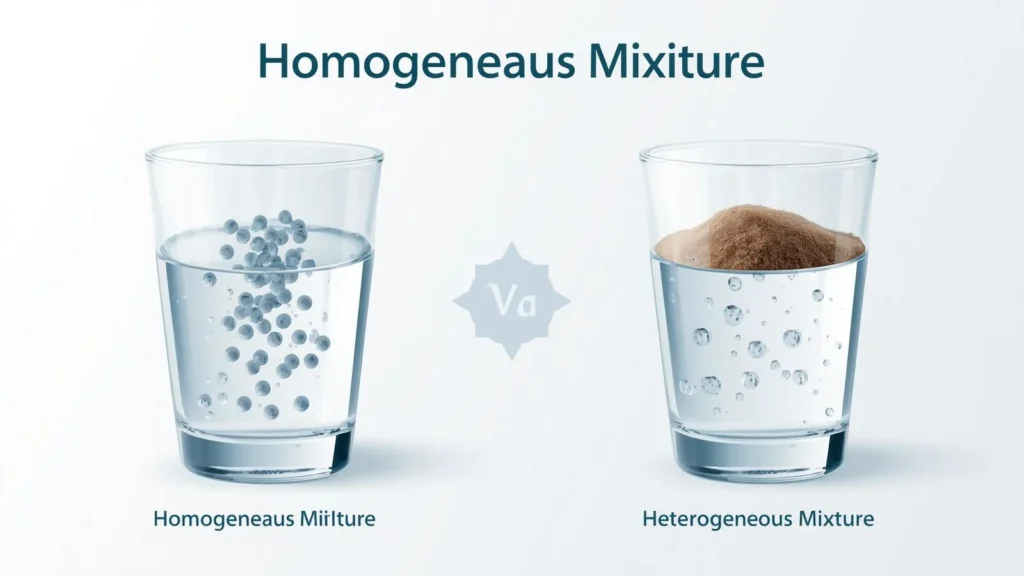
Quick Answer – Is Salt Water Homogeneous or Heterogeneous? The answer to “is salt water homogeneous or heterogeneous” is straightforward:
Is Salt Water Homogeneous or Heterogeneous? Read More »

When it comes to technical terms, spelling matters—especially for “break metal or brake metal.” Many people confuse these two terms,
Break Metal or Brake Metal: Understanding the Correct Usage Read More »